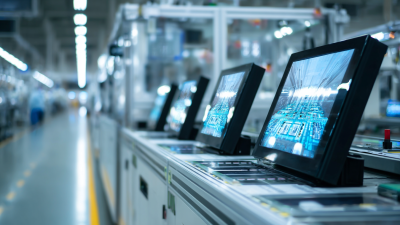
In the fast-changing world of electronics, picking the right LCD display factories is more important than ever for buyers around the globe. I remember Jack Lin, a real expert in display tech, once saying, “Finding trustworthy manufacturers is just as important as the quality of the screens themselves.” That really hits home, especially with how competitive things are these days.
A lot of companies tend to overlook some key factors when they're choosing partners for LCD factories. Things like quality checks and supply chain clarity should really be at the top of the list. Honestly, with so many options out there, it can feel pretty overwhelming trying to pick the best fit. Each factory has its own strengths, but not all of them can deliver consistent quality all the time.
Getting this right means doing your homework. It's important to dig into what these manufacturers are capable of technologically. Looking at reviews from other clients and studying some case examples can really help you get a feel for what to expect. The trick is to find a factory that matches your specific needs and to stay cautious along the way. Sure, finding the perfect partner isn’t a walk in the park, but trust me, it’s worth all the effort for long-term success.
The LCD display industry in China has become a powerhouse for global buyers. The landscape is vibrant, marked by innovation and fierce competition among various manufacturers. Many factories specialize in different segments such as consumer electronics and industrial applications. This specialization allows for tailored products and unique solutions, which can cater to diverse needs.
Buyers must consider several factors while navigating this landscape. Quality control processes vary widely among manufacturers. Investigating their certifications is crucial to ensure that products meet international standards. Additionally, communication plays a significant role. Buyers often face challenges in language barriers or misaligned expectations. Effective communication can lead to better partnerships.
Lastly, the rapid technological advancements in this sector require constant learning. Staying updated is not easy. However, understanding the latest trends and innovations is essential. It can help buyers make informed decisions. Evaluating multiple factories and gathering feedback from other clients can guide the selection process effectively. The journey toward finding the right manufacturer is rarely straightforward. Embracing the complexities can lead to fruitful outcomes.
When assessing LCD display factories in China, several key factors come into play. Quality assurance is paramount. Check if the factory holds internationally recognized certifications. This includes ISO and other relevant quality standards. These certifications reflect the factory's commitment to maintaining high production quality. Inspecting their quality control processes can reveal their reliability.
Production capacity matters too. A factory must meet global demand without compromising quality. Inquire about their production lines and equipment. Efficient machinery indicates the ability to produce large volumes swiftly. However, it is important to recognize that not all factories are equipped equally. Changes in technology may affect production capabilities and quality over time.
Tip: Visit factories if possible. Direct observation can be revealing. Look for cleanliness and organization. These are often indicators of a facility that prioritizes quality.
Another factor is technological advancement. The best factories invest in R&D. This allows them to innovate and adapt to market needs. A lack of investment in technology could signal stagnation. Additionally, assess the factory’s history in the market. Longevity can suggest a reliable and established business.
Tip: Research online reviews and testimonials. They can provide insights into the factory's reputation. However, beware of overly positive reviews, as they may lack authenticity.
Lastly, consider communication. Ease of communication can streamline your collaboration. Language barriers can cause misunderstandings. Establishing clear channels helps ensure smooth operations.
When looking for reliable LCD display manufacturers in China, it’s essential to understand the market landscape. The country boasts a wide range of factories, each specializing in different types of displays. Some focus on quality, while others prioritize cost efficiency. This creates a mixed bag of options for global buyers.
Evaluating these manufacturers requires careful consideration. Research their production capabilities and quality control processes. Pay attention to customer feedback and industry reviews. A factory with a good track record often signifies reliability. Don’t overlook companies that may lack flashy marketing but have a solid reputation in production. It's crucial to balance budget with quality expectations.
Connecting with potential suppliers through trade shows can provide valuable insights. Engage in discussions to assess their expertise and innovation. However, be cautious. Not every manufacturer advertising modern technology fully delivers. It’s important to stay vigilant and conduct thorough inspections before forming partnerships, as discrepancies can harm business relationships. Choose wisely, as these decisions impact your supply chain in the long run.
When selecting an LCD display factory in China, understanding quality standards is crucial. Various certifications can guide buyers. Look for ISO certifications, as they indicate manufacturing excellence and consistent quality. Certifications ensure that the displays meet international safety and performance standards. It's important to dive into the specifics of these certifications. Each one has particular implications for the product's durability and efficiency.
Quality control processes also play a significant role. Factories often have their own set of quality management protocols. Engaging with manufacturers to understand their testing methods is vital. Some factories may not disclose failures in their production processes. This can be a red flag, hinting at a lack of transparency. A reliable factory should be willing to share information about their quality assessments.
Another aspect to consider is the factory's experience. Longevity in the industry often correlates with reliability. However, newer factories can also bring innovative technology and fresh perspectives. Buyers should weigh the pros and cons of working with established firms against the potential of emerging players. Carefully assessing these factors ensures a well-informed decision when choosing an LCD display factory.
When choosing LCD display manufacturers in China, evaluating production capacity is crucial. According to a report by Display Supply Chain Consultants (DSCC), the global LCD production capacity was forecasted to reach 1,155 million square meters by 2022. This capacity significantly impacts supply chain reliability and pricing strategies. Factories that have scaled operations effectively are more likely to meet large international orders consistently. However, not all factories possess the agility to react to rapidly changing market demands.
Technological innovation is another vital aspect. Many manufacturers are investing heavily in research and development. It was reported that roughly 5% of revenue is often allocated to R&D in leading LCD companies. Innovations in display technology, such as improved color accuracy and energy efficiency, can directly influence product quality. However, some factories struggle to keep pace with these advancements. Limited technological upgrades in certain companies can affect long-term competitiveness.
Buyers should consider these factors carefully. A factory with a robust production capacity but inadequate technological innovation may not deliver quality products. Industry analysis indicates that the most competitive factories manage a delicate balance between capacity and innovation. They not only meet production demands but also keep their technologies up to date, ensuring they can adapt to evolving market trends.
When sourcing LCD displays from Chinese factories, cost considerations are crucial. China is known for competitive pricing, yet not all factories offer the same value. Some support lower prices through subpar materials or labor practices. Scrutinizing quotes carefully can reveal hidden costs that arise later in production.
Transportation is another factor to think about. Factory locations affect shipping expenses. Factories situated close to major ports may lower your logistics costs. However, finding the right balance between price and reliability is essential. Choosing a factory known for quality can lead to fewer issues down the line, potentially saving money in the long run.
Communication also plays a vital role in managing costs. Many factories may promise low prices but lack clarity in their processes. Ensure clear terms are established upfront to avoid unexpected expenses. It’s prudent to ask for samples and verify quality before committing to large orders. This approach gives you a clearer picture of what you are paying for.
Building strong supplier relationships in the LCD display industry is crucial for global buyers. A recent industry report indicates that 70% of successful partnerships stem from clear communication and mutual understanding. Buyers should engage in regular discussions with suppliers to assess needs and expectations. Transparency in requirements fosters trust and leads to improved product quality.
Another key aspect is the understanding of cultural differences. In China, establishing personal connections can significantly impact business outcomes. A positive relationship often requires time and patience, as trust is built through face-to-face interactions. According to a study, 65% of buyers found that investing time in social interactions advanced their negotiation processes.
Buyers should also be open to feedback from suppliers. This not only enhances the product development process but also creates a two-way communication channel. Constructive criticism can sometimes lead to unexpected innovations. Conversely, overlooking feedback may hinder progress and cause friction. Adapting to these dynamics is an essential part of a successful collaboration in the global LCD display market.
This chart represents the estimated annual production capacity of various LCD display factories. Understanding these capacities can assist global buyers in making informed decisions when selecting suppliers.
In the realm of modern education, enhancing the classroom experience is paramount to fostering student engagement and improving learning outcomes. The advent of 75'' and 86'' smart LCD interactive displays equipped with touch technology represents a significant leap forward in this pursuit. These displays, particularly the IWB series interactive models, transcend traditional multimedia classroom setups by integrating advanced features that cater to the diverse needs of both educators and students.
The IWB series offers a seamless combination of writing boards and capacitive touch whiteboards, allowing educators to easily share videos, images, and audio content while maintaining the tactile experience of traditional writing with chalk. According to a report by the International Society for Technology in Education (ISTE), interactive displays can increase student participation by up to 30%, showcasing their effectiveness in promoting collaborative learning environments. This enhanced engagement is essential for cultivating critical thinking and problem-solving skills among students.
Moreover, the versatility of these interactive displays supports various teaching methodologies, from direct instruction to collaborative group work. A study from the Journal of Educational Technology found that classrooms equipped with interactive displays reported a 25% increase in student retention rates compared to conventional teaching tools. This highlights the capability of touch technology to not only make learning more interactive but also significantly improve educational outcomes, solidifying the role of modern tools in shaping the future of education.
: Focus on certifications like ISO. They indicate consistency and manufacturing excellence.
Language barriers often lead to misunderstandings. Clear communication is key to successful collaborations.
Knowing a factory's quality control protocols helps assess reliability. Lack of disclosure might indicate transparency issues.
A factory’s capacity impacts its ability to meet large orders. This affects pricing and reliability.
Significant R&D investment leads to better technology, such as energy efficiency. This improves overall product performance.
Not necessarily. New factories may offer innovative solutions. Evaluate both experience and potential.
Rapid technological changes make it difficult to keep pace. Continuous learning is vital for informed decisions.
Engage with them about their quality assessments. A transparent factory will share information about its processes.
Yes, insights from previous clients can guide your choice. Their experiences may highlight strengths and weaknesses.
The journey is rarely straightforward. Many factors shape the selection process, requiring careful consideration.
The article "China Best LCD Display Factories for Global Buyers How to Choose?" provides a comprehensive overview of the LCD display industry landscape in China, highlighting key factors that buyers should consider when assessing LCD display factories. It covers aspects such as quality standards and certifications, which are crucial for ensuring product reliability, as well as production capacity and technological innovation that influence a factory's capability to meet demand.
Furthermore, the article delves into cost considerations when sourcing from Chinese factories, emphasizing the importance of understanding the pricing structure and potential hidden costs. It also offers best practices for building strong relationships with suppliers, which can enhance cooperation and lead to better negotiation outcomes. Overall, this resource serves as a valuable guide for global buyers looking to navigate the complexities of sourcing from LCD display factories in China.