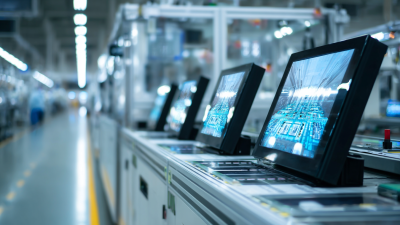
As the demand for high-quality display technologies continues to surge, choosing the right LCD factories is crucial for manufacturers looking to maintain a competitive edge in 2025. The landscape of LCD production is rapidly evolving, with advancements in technology and growing consumer expectations forcing companies to reassess their partnerships with manufacturers. According to Dr. Emily Chen, an expert in display technology, “Selecting the right LCD factory is not just about cost; it's about quality, innovation, and the ability to scale production effectively.”
In this ever-changing market, understanding the capabilities and specialties of various LCD factories is paramount. A well-chosen factory can significantly enhance product quality and streamline the manufacturing process, while also ensuring responsiveness to market demands. Manufacturers must consider several factors including production capacity, technological expertise, and the factory's track record in adhering to industry standards. Ultimately, the right decision can make all the difference in a manufacturers' success amidst fierce competition and thriving technological advancements.
Selecting the right LCD factory is crucial for any business aiming to optimize its manufacturing process. The importance of this decision cannot be overstated, as the factory you choose will directly impact the quality, efficiency, and reliability of your product. When evaluating potential partners, it’s essential to consider factors like production capabilities, technological advancements, and adherence to quality standards. A factory's experience in specific niches of LCD manufacturing can also be a determining factor for industries requiring specialized products or features.
Furthermore, the right LCD factory should align with your operational needs and future growth plans. It's important to assess their scalability, production timelines, and flexibility in accommodating design changes. Establishing a partnership with a factory that understands your vision and can adapt to evolving requirements will not only enhance your product outcomes but also foster a collaborative environment for innovation. Ultimately, the thoughtful selection of an LCD factory can lead to improved supply chain efficiency, better product performance, and a competitive edge in the market.
When selecting the best LCD factory for your manufacturing needs, several key factors should be considered to ensure a successful partnership. Firstly, evaluate the manufacturer’s technological capabilities. The advancements in LCD technology are rapid, and choosing a factory that stays current with innovations can significantly impact the quality of your end product. Look for manufacturers who consistently invest in research and development, as this indicates a commitment to producing high-quality, cutting-edge displays.
Additionally, consider the factory’s production capacity and scalability. It's essential to choose a manufacturer that can handle your projected volume while also being flexible enough to accommodate fluctuations in demand. A factory with a robust supply chain and logistical capabilities will help ensure timely delivery of materials and finished products. Quality control processes are another crucial element; inquire about the manufacturer's quality assurance measures to mitigate risks associated with defect rates and to maintain product standards throughout the manufacturing process. Prioritizing these factors will help you find a reliable LCD manufacturer that aligns with your specific needs.
When choosing the best LCD factories for your manufacturing needs in 2025, it's pivotal to evaluate both production capacity and technological capability. According to recent industry reports, the global LCD market is projected to reach approximately $152 billion by 2025, driven by advancements in display technology and the growing demand in sectors such as consumer electronics and automotive. Assessing a factory's production capacity is essential, as it reflects their ability to meet your specific volume requirements without compromising quality. Factories that can provide flexible production setups and scalability will be better positioned to adapt to market fluctuations and consumer demands.
In terms of technological capability, factories utilizing the latest manufacturing technologies such as Advanced OLED and Quantum Dot technologies are more likely to deliver high-performance displays. For instance, a report from the Display Supply Chain Consultants indicates that adoption of new fabrication techniques could enhance power efficiency by up to 30% compared to traditional methods. Additionally, factories that invest in automation and AI-driven quality control can significantly reduce production errors, ensuring that their products consistently meet or exceed industry standards. Evaluating these factors is crucial to selecting an LCD factory that can align with your strategic goals and foster innovation in your product offerings.
When selecting the right LCD factory for your manufacturing needs in 2025, it is crucial to focus on their quality control standards and certifications. A comprehensive assessment of these criteria will provide insight into the factory's commitment to producing high-quality displays. Start by evaluating their adherence to international standards, such as ISO 9001 for quality management systems. Factories that achieve these certifications typically have structured processes in place, which help minimize defects and ensure consistent product quality.
Furthermore, investigate the specific quality control measures implemented during the manufacturing process. Look for factories that utilize advanced inspection technologies and methodologies, such as automated testing and rigorous final inspections. This indicates that they prioritize quality throughout production, reducing the likelihood of flaws in the finished product. Additionally, inquire about their track record with quality assurance certification bodies, as reputable factories often engage with multiple agencies to validate their practices and achieve relevant certifications specific to the LCD manufacturing sector. These certifications not only demonstrate compliance but also reflect a factory's dedication to continual improvement and customer satisfaction.
When choosing an LCD factory for your manufacturing needs in 2025, understanding cost structures and pricing models is crucial. A factory’s cost structure typically comprises raw materials, labor, overhead, and operational efficiencies. By analyzing how these elements contribute to the total cost, you can better identify factories that align with your budget and quality requirements. For instance, some factories may have lower raw material costs but compensate with higher labor expenses due to less efficient production methods. Conversely, others may leverage advanced technology to enhance efficiency, thereby reducing overall costs despite potentially higher initial investments.
In addition to cost structures, it’s essential to consider various pricing models employed by LCD manufacturers. Some factories utilize fixed pricing, which offers transparency and predictability, while others may adopt a variable pricing strategy that adjusts based on demand fluctuations or raw material price changes. Understanding these models allows you to forecast your long-term expenses accurately and negotiate better terms.
Furthermore, exploring additional cost components, such as shipping and customs duties, can provide a more comprehensive picture of the overall financial commitments involved. This strategic approach will enable businesses to select an LCD factory that not only meets production needs but also aligns with financial goals.
As the demand for LCD displays continues to rise, sustainability practices in LCD manufacturing are becoming increasingly crucial for manufacturers aiming to minimize their environmental impact. In 2025, choosing an LCD factory that prioritizes eco-friendly processes can significantly contribute to a more sustainable supply chain. Factories that utilize energy-efficient technologies, such as LED backlighting and low-power driving circuits, not only reduce energy consumption but also lower emissions associated with production. Additionally, these facilities should implement rigorous recycling programs to handle waste materials, ensuring that harmful substances are disposed of responsibly and valuable components are repurposed.
Another important aspect of sustainability in LCD manufacturing is the adoption of environmentally friendly materials. This includes the use of organic substances and recycled components in the production process, which can drastically lessen the ecological footprint of LCD panels. Furthermore, factories committed to reducing water usage and optimizing their manufacturing processes can achieve significant improvements in resource management. By thoroughly assessing these sustainability practices, manufacturers can select LCD factories that not only meet their production needs but also align with their commitment to environmental stewardship. The choice of supplier can thus play a pivotal role in fostering a greener future in the electronics industry.
| Factory Location | Production Capacity (Units/Month) | Sustainability Certification | Energy Source | Waste Management Practices | Average Lead Time (Weeks) |
|---|---|---|---|---|---|
| Asia | 500,000 | ISO 14001 | Renewable | Material Recovery | 6 |
| Europe | 300,000 | BREEAM | Hybrid | Zero Waste to Landfill | 5 |
| North America | 200,000 | LEED | Solar | Recycling Program | 8 |
| South America | 150,000 | ISO 50001 | Wind | Composting | 7 |
When selecting the best LCD factories for your manufacturing needs in 2025, ensuring effective communication and support from suppliers is essential. Research from the Display Supply Chain Consultants (DSCC) indicates that over 70% of manufacturing delays are attributed to poor communication between suppliers and manufacturers. Establishing clear communication channels with potential suppliers can significantly minimize misunderstandings and streamline the production process. It is crucial to evaluate how responsive the factory is to inquiries, the clarity of their communication, and their willingness to engage in problem-solving discussions.
Moreover, a report from MarketsandMarkets highlights that manufacturers prioritize suppliers who offer robust after-sales support and technical assistance. By fostering a supportive relationship, you not only enhance the efficiency of the supply chain but also ensure that any production-related issues are addressed promptly. Engaging with factories that provide dedicated account managers or technical liaison teams can further bolster support. For manufacturers aiming to secure a reliable partnership, it's essential to assess these elements during the selection process, as strong support structures can lead to increased productivity and mutual business growth in the competitive LCD market.
: Key factors to consider include the manufacturer's technological capabilities, production capacity and scalability, and their quality control processes.
Technological capability is vital because rapid advancements in LCD technology can significantly impact the quality of the end product. Manufacturers that invest in R&D tend to produce higher quality displays.
It is essential to select a manufacturer that can accommodate your projected volume and is flexible enough to adjust to fluctuations in demand, ensuring timely delivery of products.
Look for manufacturers that comply with international standards such as ISO 9001, which indicates structured processes aimed at minimizing defects and ensuring consistent quality.
Investigate whether the factory employs advanced inspection technologies, automated testing, and rigorous final inspections throughout the manufacturing process.
Inquire about their track record with quality assurance certifications and their engagement with relevant certification bodies that validate their manufacturing practices.
Certifications demonstrate compliance with established quality standards and reflect a factory’s dedication to continual improvement and customer satisfaction.
Manufacturers that stay abreast of technological advancements are likely to deliver high-quality products, making it crucial to partner with those committed to innovation.
A robust supply chain and logistics capability are important to ensure timely delivery of materials and finished products, which is crucial for maintaining your production schedule.
Inquire about their specific quality control measures, inspection methods, and any certifications obtained related to LCD manufacturing to understand their commitment to quality.
Choosing the right LCD factories for manufacturing needs in 2025 is crucial for success in a competitive market. This article emphasizes the importance of selecting an LCD manufacturer that aligns with your production goals. Key factors to consider include evaluating the production capacity and technological capabilities of the factories, as well as their quality control standards and certifications.
Moreover, analyzing cost structures and pricing models is essential for budget management. The article also highlights the significance of sustainability practices in LCD manufacturing, reflecting growing environmental concerns. Finally, ensuring effective communication and support from the supplier will foster a strong partnership, facilitating smoother operations and enhancing overall efficiency in the manufacturing process.