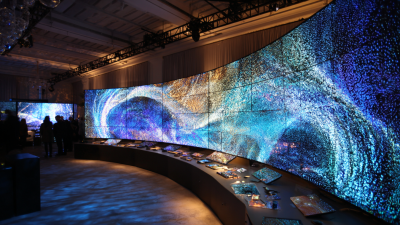
In today's digital age, the importance of a high-quality display panel cannot be overstated. Display panels, which serve as the interface between users and content, significantly enhance the overall viewing experience across a myriad of devices, including televisions, smartphones, and computers. According to a report by the International Display Consortium, the global display panel market is projected to reach approximately $159 billion by 2025, underscoring the growing reliance on advanced display technologies in various sectors.
The role of display panels in delivering vibrant colors, sharp resolutions, and improved refresh rates has transformed how we interact with multimedia. With advancements in technologies such as OLED and LCD, the performance metrics of display panels have reached remarkable levels. A report from Research and Markets indicates that OLED display panels are anticipated to dominate the market due to their superior image quality and energy efficiency. As consumers seek immersive viewing experiences, the need for cutting-edge display panel technology becomes increasingly evident, influencing both entertainment and professional environments alike.
In summary, the evolution of display panels significantly contributes to user satisfaction and engagement, making them a critical aspect of modern visual media consumption. As technology continues to advance, the potential for enhanced viewing experiences through innovative display panel solutions is vast, paving the way for further developments that will engage and captivate audiences worldwide.
A display panel is an essential component of modern visual technology, serving as the interface between the viewer and the content. It is made up of several key components, including the LCD (Liquid Crystal Display) or OLED (Organic Light Emitting Diode) technology, backlighting systems, and pixel arrangements. These elements work together to produce vibrant images and accurate colors, enhancing the overall viewing experience. The quality of a display panel can significantly affect how well you perceive details in movies, games, and other visual media.
To maximize your viewing experience, consider the following tips: First, ensure that the display panel’s resolution is suitable for your viewing distance. Higher resolutions provide clearer images, especially on larger screens. Additionally, adjust the brightness and contrast settings to suit your environment, as this can prevent eye strain and enhance image quality. Lastly, explore the different viewing modes available, as many panels offer settings tailored for various content types, whether it's gaming, watching films, or reading text.
Ultimately, understanding the components of a display panel and how they contribute to your viewing experience can help you make informed choices when selecting or configuring your display technology.
Display panels have become fundamental components in modern technology, offering diverse options tailored for various applications. Among the most prominent types are LED, LCD, and OLED panels, each boasting distinct features and advantages. According to market research firm IHS Markit, the global display panel market is projected to surpass $160 billion by 2025, reflecting the increasing demand for high-quality visual experiences increasingly prevalent in homes, businesses, and entertainment venues.
LED (Light Emitting Diode) panels are widely recognized for their energy efficiency and vibrant brightness, making them suitable for environments with ample natural light. They utilize a backlighting system to enhance contrast and color accuracy, appealing to users who prioritize vivid imagery. Meanwhile, LCD (Liquid Crystal Display) panels, while slightly older technology, remain a staple due to their affordability and adaptability for various sizes. Industry reports indicate that LCD panels accounted for around 40% of the market share in 2022, highlighting their continued relevance despite emerging technologies.
On the cutting edge of display technology, OLED (Organic Light Emitting Diode) panels offer unparalleled contrast ratios and color richness, as each pixel emits its light, allowing for true blacks and incredible viewing angles. The flexibility and thinner profiles of OLED make them increasingly favored in high-end television and mobile device markets. As per Allied Market Research, the OLED display market is expected to achieve substantial growth, reaching approximately $38 billion by 2026, driven by consumer preferences for superior visual experiences. The development of these display technologies illuminates the dynamic evolution of viewing experiences, catering to the diverse needs of consumers worldwide.
The resolution of a display panel significantly influences the clarity and detail of the visuals you experience. Measured in pixels, resolution indicates how many individual points of color are used to create the images on the screen. Higher resolutions provide a denser pixel count, resulting in sharper images and more intricate details. For instance, a 4K display delivers four times the number of pixels compared to a Full HD display, making it particularly appealing for watching movies, playing video games, or viewing high-resolution photos. This enhanced clarity allows viewers to notice subtleties that would otherwise go unnoticed, elevating the overall viewing experience.
Color depth, or bit depth, is another critical aspect that affects visual quality. It defines the number of colors that can be displayed on the screen, with greater bit depth allowing for more vibrant and accurate color representation. Displays with higher color depths, such as those featuring 10-bit or 12-bit color, can produce a more extensive range of hues and smoother gradients. This is especially important in scenarios that require precise color matching, such as graphic design or photography.
Tips for enhancing your viewing experience include ensuring that your display's resolution is set to the highest available option and adjusting the color settings based on your lighting conditions. Additionally, consider using high-quality cables and connections to prevent any loss of quality during signal transmission, ultimately enabling you to fully appreciate the capabilities of your display panel.
The refresh rate and response time of a display panel are pivotal in shaping the viewer's experience, particularly for those engaged in fast-paced activities like gaming or watching action films. The refresh rate, measured in hertz (Hz), indicates how many times per second a display updates the image. Higher refresh rates, typically ranging from 60Hz to 240Hz in modern displays, allow for smoother motion, reducing blurring and ghosting effects. According to a report by DisplayMate Technologies, displays with a refresh rate of 120Hz or more can significantly enhance the perceived clarity and fluidity of motion, making fast-moving scenes appear much clearer.
Response time complements refresh rate by describing how quickly a pixel can change from one color to another, typically measured in milliseconds (ms). A shorter response time—ideally below 5ms—minimizes motion blur and ensures that images remain sharp and vibrant during quick movements. Research by the International Display Measurement Standards (IDMS) outlines that displays with response times under 1ms are becoming increasingly common, especially in competitive gaming scenarios where every millisecond counts for optimal performance.
Tips: When selecting a display, consider both refresh rate and response time. If you're a gamer or enjoy dynamic video content, opt for a display with at least a 120Hz refresh rate and a response time of 1ms. Additionally, ensure your graphics card supports these specifications to get the most out of your display capabilities.
Display panels play a crucial role in both gaming and professional environments, serving as the primary interface through which users interact with digital content. In gaming, high-quality display panels enhance immersion by providing vibrant colors, crisp images, and fast refresh rates. Gamers often require panels with low response times to minimize motion blur and ghosting effects during fast-paced action sequences. These technological advancements create a more seamless gameplay experience, allowing players to react swiftly and accurately, thus elevating their performance and enjoyment.
In professional settings, display panels are essential for productivity and creative work. Designers, videographers, and architects rely on accurate color representation and high resolution to ensure that their visual outputs match their creative vision. A display panel with superior color calibration can significantly affect the quality of design work and ensure consistency across different media. Additionally, larger panels facilitate multitasking, enabling professionals to run several applications simultaneously, which enhances workflow efficiency.
By choosing the right display panel, users in both gaming and professional sectors can significantly improve their overall experience and output quality.
Recent advancements in display technology have significantly transformed the way we experience visual content. According to a report by Research and Markets, the global display market is projected to reach approximately $180 billion by 2025, driven by innovations such as OLED, MicroLED, and mini-LED technologies. These developments not only enhance color accuracy and brightness but also offer greater energy efficiency. For instance, OLED panels provide deeper blacks and more vibrant colors by allowing each pixel to emit its own light, which results in an incredibly immersive viewing experience.
Moreover, trends in display resolutions are also noteworthy, with 8K technology gaining traction. A study by the Consumer Technology Association predicts that by 2025, nearly 10% of U.S. households will own an 8K television. This leap in resolution means not only sharper images but also an expanded field of view, making large screen sizes more enjoyable. Additionally, advancements in flexible and curved displays are reshaping how devices are designed, offering more personalized and diverse viewing experiences. As these trends continue to evolve, the future of display technology promises even more innovations that enhance user engagement and satisfaction.
| Display Type | Resolution | Refresh Rate | Color Gamut | Viewing Angle |
|---|---|---|---|---|
| LCD | 1920 x 1080 | 60 Hz | sRGB | 170° |
| OLED | 3840 x 2160 | 120 Hz | DCI-P3 | 180° |
| QLED | 3840 x 2160 | 120 Hz | Adobe RGB | 160° |
| Mini LED | 3840 x 2160 | 144 Hz | DCI-P3 | 178° |
| MicroLED | 7680 x 4320 | 240 Hz | Wide Color Gamut | 180° |
: The main types of display panels are LED (Light Emitting Diode), LCD (Liquid Crystal Display), and OLED (Organic Light Emitting Diode), each offering unique features and advantages.
LED panels are known for their energy efficiency and vibrant brightness, making them ideal for environments with ample natural light. They also enhance contrast and color accuracy through their backlighting system.
LCD panels are quite affordable and adaptable to various sizes, accounting for a significant portion of the display panel market. Their continued relevance stems from their accessibility and versatility.
OLED panels provide superior contrast ratios and color richness, with each pixel emitting its light. This allows for true blacks and exceptional viewing angles, making them highly preferred in high-end markets.
Resolution significantly affects visual clarity, as it determines the number of pixels used to create images on the screen. Higher resolutions like 4K provide sharper images and more intricate details compared to lower resolutions.
Color depth refers to the number of colors that can be displayed, with greater bit depth resulting in more vibrant and accurate color representation. It is crucial for tasks requiring precise color matching, such as graphic design and photography.
To enhance your viewing experience, set your display to the highest resolution available, adjust color settings based on lighting conditions, and use high-quality cables to ensure optimal signal transmission.
The global display panel market is projected to exceed $160 billion by 2025, reflecting an increasing demand for high-quality visual experiences in homes, businesses, and entertainment venues.
The OLED display market is anticipated to grow significantly, reaching approximately $38 billion by 2026, driven by consumer preferences for enhanced visual experiences.
Higher resolution displays, such as those with 4K resolution, deliver a denser pixel count, resulting in sharper images and the ability to notice intricate details, which enhances the overall experience for activities like gaming or movie watching.
A display panel is a critical component in modern visual technology, serving to enhance the overall viewing experience. It encompasses various types, including LED, LCD, and OLED panels, each with unique features that contribute to picture quality and user satisfaction. Key aspects of display panels such as resolution and color depth significantly influence visual clarity and detail, while refresh rates and response times are essential for smooth motion and reduced blur during fast-paced scenes.
In both gaming and professional settings, display panels play a vital role in delivering immersive experiences and precise visuals. As technology advances, trends in display panels are evolving, leading to higher resolutions, improved color accuracy, and innovative designs that promise to further enhance viewers' interactions with digital content. Understanding these components helps consumers make informed choices for their visual needs.