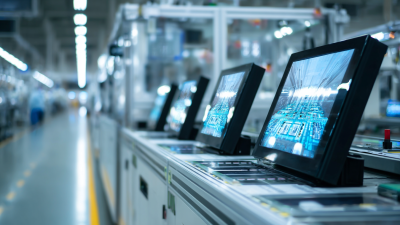
As the LCD display industry keeps evolving, everyone's really keeping an eye on who the big players are and where they’re headed by 2026. You know, Richard Thompson, that well-known analyst in the field, mentions that, “Innovations in LCD display factories are gonna shape the future of tech,” which really highlights just how important these manufacturing hubs are in our day-to-day lives.
The global demand for high-quality LCD screens is booming right now. Companies like Samsung Display and LG Display are leading the charge, investing in state-of-the-art technology to make their processes more efficient and their products better. But, of course, it’s not all smooth sailing—supply chain issues and changing material costs can throw a wrench in the works.
Looking ahead, it’s super important to keep an eye on these factories. The competition’s fierce, but there's also a lot of opportunity if you know where to look. Experts are telling manufacturers they need to stay flexible and embrace new technologies if they want to stay ahead. Plus, it’s becoming clear that sustainability isn’t optional anymore—making environmentally responsible choices is part of doing good business now.
All in all, the future of LCD displays is pretty exciting, but it’s also full of uncertainties. That’s why strategic planning and careful monitoring are more important than ever. The industry’s got a bright future, but it’s going to take some smart moves to get there.
The LCD display manufacturing industry is evolving rapidly. According to a recent report by Market Research Future, the global LCD panel market is projected to grow at a CAGR of 5.2% from 2021 to 2026. This growth highlights the increasing demand for larger screens and better resolution.
Key players in the sector are focusing on advanced technologies. Innovations in Ultra HD and OLED technologies are becoming common. Many manufacturers are shifting towards flexible displays. This shift challenges traditional production methods and requires investment in new equipment. However, some factories struggle with quality control during this transition, which can lead to defects.
Moreover, sustainability is becoming a priority. Producers are adopting eco-friendly practices to reduce waste and energy consumption. Yet, the overall impact remains uncertain. Many factories still rely on outdated processes. Balancing profitability and environmental responsibility presents ongoing challenges. The future of the industry depends on how these companies navigate these complexities.
The landscape of LCD technology is evolving rapidly. By 2026, we will see significant advancements that integrate smarter features and enhanced performance. One of the most exciting developments will be in energy efficiency. Manufacturers are focusing on reducing power consumption while maintaining high-quality visuals. This shift is crucial as sustainability becomes a priority.
Moreover, the advancements in display resolution are promising. Expect to see displays with higher pixel densities and improved color accuracy. These innovations could bring lifelike images into homes and workplaces. However, the challenge remains in balancing these improvements with cost. Will high-end technology remain accessible to the average consumer?
The integration of artificial intelligence in LCD displays is another area to watch. AI could enable smarter adjustments to brightness and contrast. This can personalize the viewing experience. Yet, it raises questions about data privacy and user control. Adapting to these ethical concerns will be essential as we move forward. The road to 2026 is filled with potential, but also complex challenges.
The LCD display market is changing rapidly. Factors influencing this shift include advancements in technology, environmental regulations, and consumer preferences. These elements affect how factories operate and innovate. In 2026, factories must adapt to these ongoing trends.
Competition in the market is fierce. Manufacturers need to focus on efficiency to cut costs and improve quality. Investing in automation can be beneficial. However, relying too much on machines might lead to loss of skilled labor. Balancing technology with human expertise is essential.
Tip: Regularly assess your production techniques. Identify areas where improvements are needed. Embrace sustainability practices to meet new regulations and consumer demands. Additionally, listen to customer feedback. It guides innovation and helps factories align with market needs. Flexibility in operations is crucial for staying competitive.
The LCD display market is evolving rapidly. In 2026, several geographical hotspots are set to dominate production. Regions like East Asia remain crucial. Here, innovation meets skilled labor, providing a competitive edge. Southeast Asia is also emerging as a significant player, offering cost-effective manufacturing solutions.
Tips: Keep an eye on regional trends. Local policies can impact production costs. Changes may affect supply chains too.
China continues to lead in sheer volume. Factories are optimized for high-output production. However, environmental concerns are growing. Balancing technology and sustainability becomes a challenge. Meanwhile, countries in Europe are increasing their focus on quality over quantity. They aim for premium products but face higher operating costs.
Tips: Diversifying suppliers is essential for resilience. Relying on a single region can be risky. Consider backup options globally.
In summary, the top LCD factories will likely emerge from these hotspots. Each region has its strengths and weaknesses. The landscape is shifting, and manufacturers must adapt to stay competitive.
The landscape of LCD manufacturing is transforming, with sustainability taking center stage. Factories are increasingly adopting eco-friendly practices. This shift not only benefits the environment but also enhances brand image. Many manufacturers are now focusing on reducing waste. They aim to recycle materials used in production processes. It’s a necessary step towards creating a circular economy in the tech sector.
Tips: Consider how materials are sourced. Transparency is vital. Look for companies that prioritize responsibly sourced components. Implementing energy-efficient machinery is another critical move. It cuts down on emissions.
However, the journey isn’t flawless. Challenges remain in balance with cost efficiency. Some factories struggle with adopting new technologies due to high upfront costs. Others face difficulties in training their workforce to align with sustainable practices. These issues require serious reflection and action. Still, the importance of sustainability can’t be overstated. It is now a key factor influencing consumer choices. The future of LCD manufacturing hinges on these vital practices.
The LCD display market is evolving rapidly. Emerging competitors are reshaping the landscape. According to a 2023 market report, the global LCD panel market is projected to reach $90 billion by 2026. This growth indicates a shift toward new players challenging established manufacturers.
New entrants are leveraging innovative technologies. For example, improved energy efficiency and enhanced resolution are becoming their trademarks. Several Asian companies are investing heavily in research and development. They are redefining production practices to achieve lower costs and better quality. Traditional players must adapt or risk losing market share.
Tip: Keep an eye on industry reports. These sources provide insights into the emerging trends shaping display technologies. Building partnerships with innovative firms can be a strategic move to stay competitive.
Many emerging companies face challenges. They must balance cost-effectiveness with quality. Overcoming supply chain issues is another hurdle. Scaling production while maintaining standards often leads to growing pains. These factors will determine their long-term success in the market.
The LCD display industry faces significant challenges in the coming years. According to a recent market report, the global LCD market is projected to be worth about $118 billion by 2026. However, fluctuations in raw material prices pose a serious threat. As materials become scarce, production costs may rise sharply. Factories need to adapt quickly to avoid profit erosion.
Sustainability is another pressing issue. With consumer focus shifting towards eco-friendly products, factories must innovate in waste management and energy usage. A study from industry experts shows that up to 70% of manufacturers lack sustainable practices. Without addressing this, firms may fall behind.
Additionally, competition from emerging technologies, such as OLED and microLED, is intensifying. These alternatives offer better efficiency and color accuracy. Current LCD factories must rethink their strategies or risk obsolescence. According to projections, LCD shipments may decline by -20% as buyers shift preferences. Factories need to reflect on their adaptability to stay relevant in this evolving landscape.
: Regular exercise improves physical health. It boosts mood. It can enhance sleep quality.
Set small, achievable goals. Find a workout buddy. Change your routine occasionally.
Assess your current fitness level. Think about your interests. Consult with a professional if needed.
Aim for at least 150 minutes of moderate activity. Include strength training twice a week.
Eat bananas or oatmeal before a workout. After, opt for protein-rich foods like yogurt or nuts.
Yes, many people feel unmotivated sometimes. Reflect on your goals and adjust your approach as needed.
The article "Top LCD Display Factories to Watch in 2026" delves into the evolving landscape of LCD display manufacturing, highlighting key players and emerging competitors in the industry. It emphasizes innovations that are set to shape LCD technologies by 2026, along with market trends that are influencing the operational dynamics of LCD display factories. Geographical hotspots for production are explored, showcasing regions that are becoming vital hubs for innovation and manufacturing.
Sustainability practices in LCD manufacturing are also addressed, illustrating how factories are adapting to meet environmental standards and consumer demand for greener solutions. Additionally, the article outlines future challenges that LCD display factories might face, such as supply chain disruptions and increasing competition. By examining these facets, the piece provides a comprehensive overview of what to expect in the LCD display sector in the coming years.